For most of my adult life, I’ve been taking photos. Since 2016, my camera has been mainly focused on New Zealand, particularly Wellington. Initially, I captured the obvious – harbours, sunsets, boatsheds, the sort of shots that could maybe grace a tourism brochure (if they were in focus, better framed).
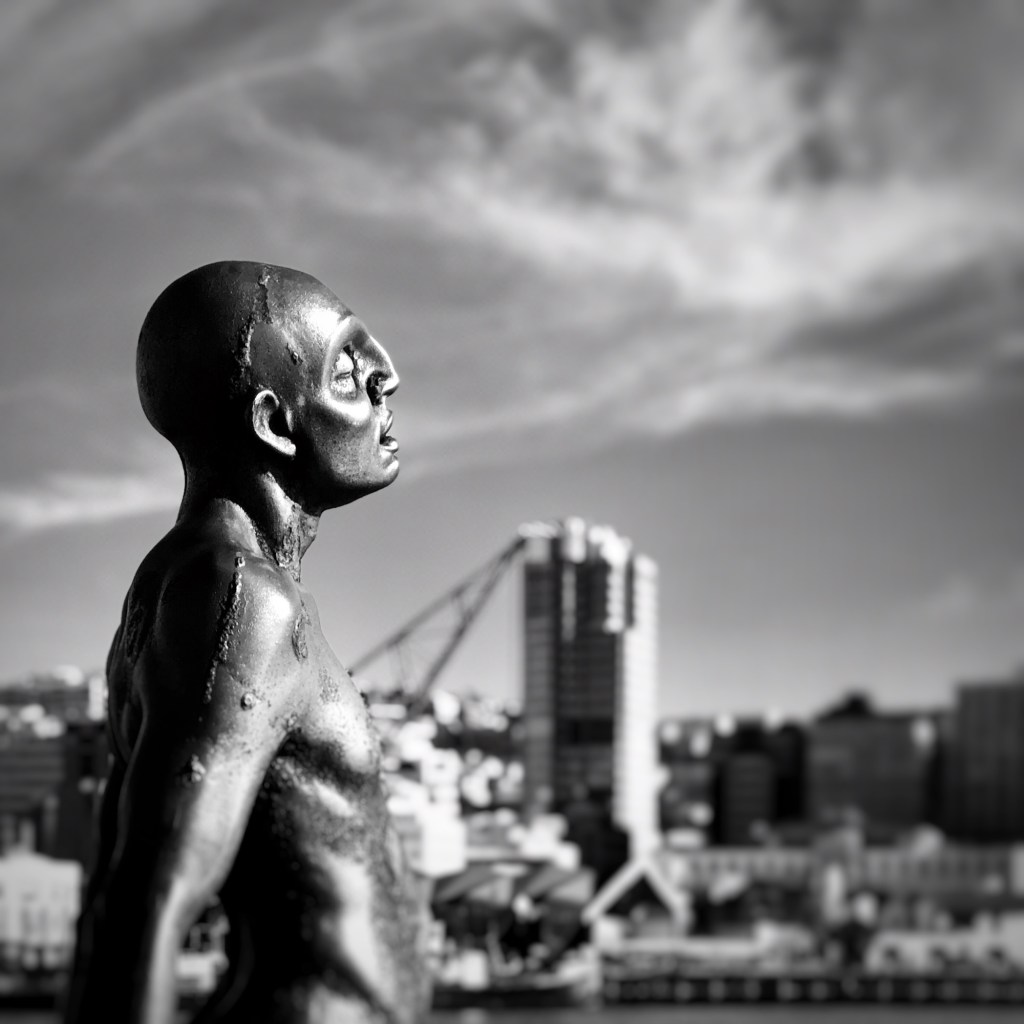
But over the years as I’ve been photographing more, I feel like I’m finally reaching beyond surface aesthetics. The challenge now is defining exactly what that means.
It’s never been easier to take a technically “good” photo… in focus, nicely exposed, visually pleasing. But pretty isn’t always enough. I’ve stood surrounded by spectacular mountains, clicked the shutter, only to discover a photo that could be anywhere; New Zealand, Canada, or the Lake District. Beautiful, sure but utterly generic and a little soulless.
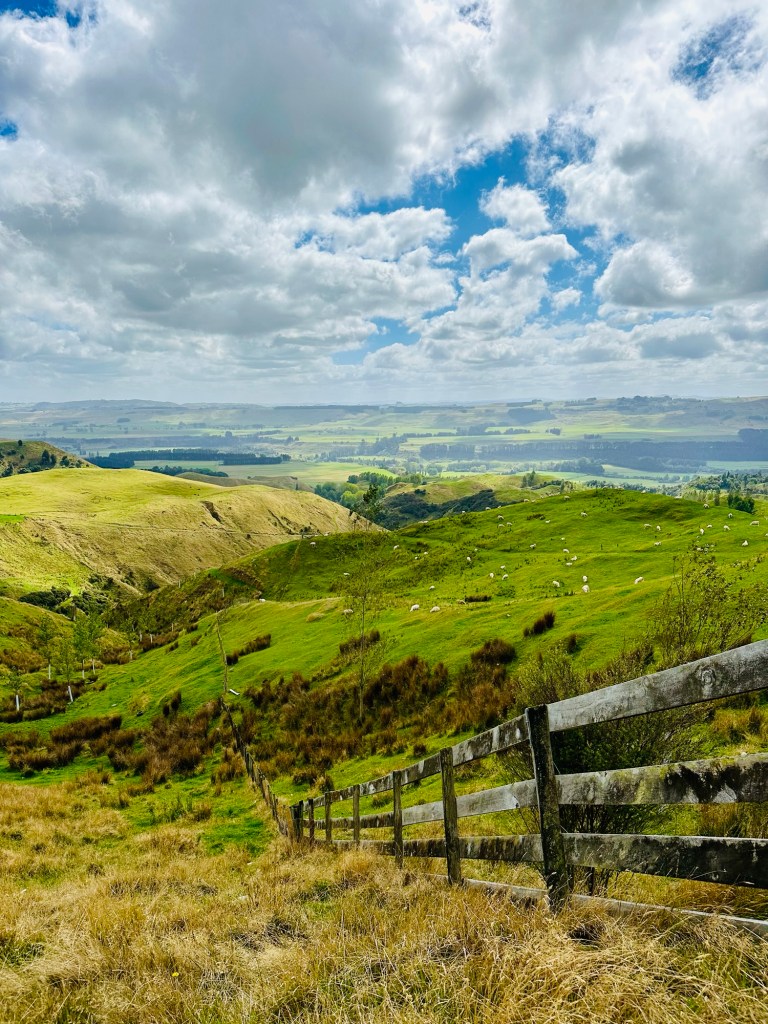
And cities? I find cities even harder to capture. A mountain or a harbour is just there, majestic and beautiful and eminently photographic. A city, in contrast, is chaos and clutter – people and noise, harsh light and messy lines. I could photograph a pretty view all day, but a high street makes me freeze. It’s not just about symmetry or lines; it’s a visceral experience. How do you capture the authentic noise, texture or feel of say Wellington, and make it not look like any city, anywhere?
I’m a fan of William Eggleston. He captured entire places and times by photographing the mundane… petrol stations, faded signs, a corner of a ceiling, secretaries eating lunch. His work is both specific and universal, remarkable because it’s so ordinary. Eggleston’s photos resonate with me because they’re soaked in time and place, loaded with subtle clues (colours, textures, objects) that shout “this is here, and this is now”.

But here’s the crucial catch, Eggleston’s world no longer exists. His innovative embracing of colour feels almost impossible to replicate meaningfully today. I can’t, and wouldn’t want to, simply recreate his work in 2025. The signs, clothes, colours, even the film stock are all different. Even more, people’s relationship to photographs has changed.
So I’ve had to ask myself, what does my time and place look like through my lens? What defines Wellington as my version of Eggleston’s Memphis?
I’m realising it’s three things:
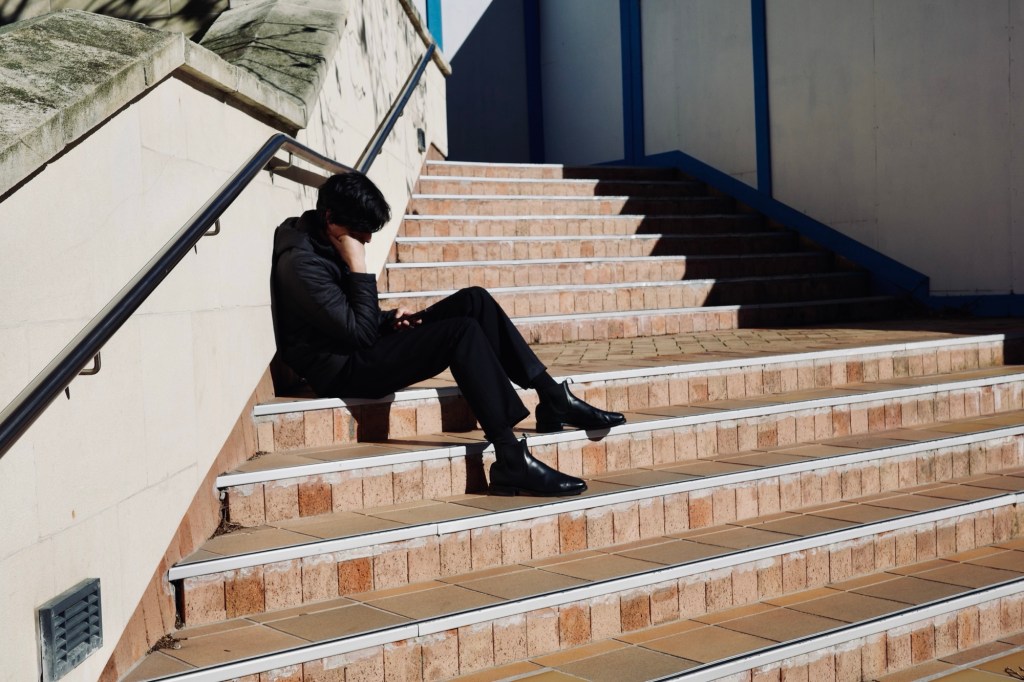
First (and perhaps most importantly) people. People anchor a photo in a specific time and culture. The way people dress, stand, hunch into the wind, or take a breather on some steps in the midday sun… these moments make a photo unmistakably here.
Secondly, light and weather. A city’s mood shifts by the hour – harsh sun one minute, soft drizzle the next. Perfect light often makes photos feel generic; imperfect light tells far better stories.
Finally, details that feel mundane but are unique. A bright yellow road sign against an epic bay view. A cluster of old posters outside a corner shop, or a bag caught in a street fence. These small collisions between ordinary life and extraordinary scenery are what truly make a place feel real.
Ultimately, my goal isn’t merely to take nice photos. It’s to photograph in a way that feels true, to capture a place’s personality, whether it’s Wellington’s weather, people, and charm or Mt Aspiring’s stunning mountains and valleys.
While I’m no William Eggleston, I think I’m chasing the same things he sought – the profound beauty in ordinary things, and the invisible details that define a place and a time.
So if you happen to see me lurking on a street corner, camera in hand, staring intently at a puddle, a stairwell, or a yellow sign… now you know why. I’m striving to photograph Wellington exactly as it feels, as it looks today, and as I authentically see it.
My hope is that these photos won’t just be pictures, but genuine windows into this unique place.
 The Obligatory Blog